Popular cereal returns to supermarket shelves after being discontinued

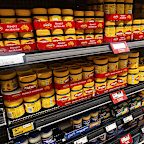
Uncle Toby’s Vanilla Cheerios Low Sugar has returned to supermarket shelves after being discontinued in 2025.
The product’s return is largely the work of Perth mum and paediatric dietician Dr Kyla Ringrose, who launched a petition calling for its return, collecting 7,000 signatures.

Uncle Toby’s Vanilla Cheerios Low Sugar has returned to supermarket shelves. Jo Abi
Dr Kyla told 9News Perth it was “very exciting” to hear the cereal would be returning, as it was “popular with families”.
After it was discontinued, social media was flooded with videos showing Australian shoppers trying to stock up on remaining stock and rationing the cereal before ultimately running out.
“There aren’t a lot of cereals that I would recommend for families,” Dr Kyla told 9New Perth.
“Some of the things I love about this is that it is low in sugar, there’s really only a few that have less than 10g per 100g of sugar. It is iron fortified, it has a reasonable fibre content, it is dairy-free, which is really important for some allergy families, and it’s just one of those foods that kids like.”

The cereal is considered one of the healthier options on the market, with a 4.5 Health Star Rating and less than 10g of sugar – there is 1.2g of sugar per 30g serve, or 3.9g of sugar per 100g.
Original Cheerios contains 4.3g of sugar per 30g serve and 14.4g per 100g, and Honey Cheerios contains 5.4g of sugar per 30g serve and 17.8g per 100g.
Other low-sugar cereals includes Sanitarium Weet-Bix, with just 1g of sugar per 33g serve and 3g per 100g; Carman’s Low Sugar Raspberry and Coconut Granola, with 2.2g of sugar per 45g serve and 4.8g per 100g; and Kellogg’s Rice Bubbles, with 3.3g of sugar per 36g serve and 9.4g per 100g.

The cereal has a 4.5 Health Star Rating and is lower in sugar than most cereals. Jo Abi
Dr Kyla also likes Vanilla Cheerios Low Sugar because it is “beige, it is plain, it is easy to eat, and it’s just a winner in so many households”.
The cereal has also been described as a “safe” food for families with neurodivergent children, who can “find eating a challenge” and prefer simple and consistent products.
Kimberley Finsten, Cereal Partners Worldwide’s Head of Marketing, said: “At Uncle Tobys, we know families are passionate about starting their day with a delicious and nutritious breakfast, and we take that seriously.

Options with less than 10g per 100g can be few and far between. Jo Abi
“We’re delighted to bring back Cheerios Low Sugar and continue offering families a breakfast choice they know and love.”
We also asked paediatric nutritionist Mandy Sacher for her assessment of Vanilla Cheerios Low Sugar.
Sacher, who has been challenging Health Star Rating system by developing her own Real Food Rating, gave the cereal 3.5 stars and deemed it a “fair ‘sometimes’ choice”.
“It has a reasonable foundation, with 66 per cent wholegrain and considerably less sugar than many children’s cereals, but it is still an ultra-processed product,” she told nine.com.au.
“I’m not saying families should never buy this cereal.
“It is lower in sugar and a better option than many heavily sweetened children’s cereals, but better does not automatically mean 4.5 health stars. It is still a ‘sometimes’ option.

“Foods such as oats, eggs, fruit, nuts, seeds and plain yoghurt should form the foundation of an everyday diet, and our highest ratings should reflect that standard of food quality.”
Uncle Tobys Cheerios Low Sugar 450g will be available nationally from leading supermarkets from August 2026 at the recommended retail price of $7.50.
The product is already in Coles supermarkets as of August 5, and will return to Woolworths supermarkets on August 24.
For families struggling to feed their children healthier foods, Dr Kyla said it is important for parents to “model what they want to see” and to trust how much kids need.

Paediatric nutritionist Mandy Sacher deemed the cereal a “fair ‘sometimes’ choice”. Uncle Tobys
“If you really want your kids to eat a range of vegetables and fruit, for example, then it’s really helpful for you to do that yourself as well,” she added.
“Serving a variety [of foods] is also helpful as well, even if your kids haven’t learned to like those foods yet.
“The more regularly they see them, the easier it is for them to learn to like those particular ones.”
She also advised parents “not take your child’s eating personally”.

Dr Kyla said it is important for parents to ‘model’ health eating habits in front of their children. Jo Abi
“If your child is in a fussy phase, if they’re finding new foods really tricky, often that isn’t about you or anything you’ve done wrong. So really try not to read into that.
“[Make] family meals a priority. If you can sit down and share food with your children, that really helps them in the long run to learn to enjoy a variety of foods in their own time.”