Why your 2026 Easter basket might cost twice as much

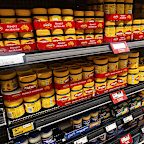
Aussie shoppers are reeling after spotting Cadbury Easter bunnies on supermarket shelves this week, baffled by their early arrival, and increased price.
A 100g Cadbury Dairy Milk Easter Bunny now costs $9.50, much to the shock of supermarket customers.
A larger 250g Cadbury Dairy Milk Chocolate Easter Bunny is now a whopping $15, and the rest of the Cadbury Easter range is just as pricey.

This bunny now weighs just 100 grams, and costs $9.50. Nine
Startled consumers have taken to Reddit to express their frustration about yet another chocolate price increase.
"Really?" one stunned Aussie shopper wrote on the 'Woolworths' Reddit thread next to a photo of a Cadbury Easter Bunny.
"I'm positive these little bunnies were on 1/2 price sale at some stage last year for $2.50 so have nearly doubled in price… Seriously??"
READ MORE: The mistake most Aussies are making when buying coffee
READ MORE: How to choose the best steak without breaking the budget
READ MORE: Iconic supermarket cheese announces major change

A larger 250g Cadbury Dairy Milk Chocolate Easter Bunny is now $15. Nine
"$9.50 for 100g of chocolate ... what a time we live in," another said.
"Didn't something happen last year with chocolate prices going up more than usual?" another wrote.
"That being said, I have a bunch of Easter chocolate pics on my camera roll from 2018. Was trying to find the best deals pre Easter at the time. Looks like the hollow bunnies were $5 (regular price) at Woolies in 2018," one commented.
The full range of Cadbury Bunnies this year start with 80g for $8, 100g for $9.50, 150g in a range of flavours for $10, 180g for $11 and 250g in a range of flavours for $15.
For comparison, the cost of a 80g Cadbury Bunny in 2025 was $6.50, so this is alone is a price increase of $1.50 in 12 months, and the 150g Bunny was $6.70 in 2024, so that's a price increase of $3.30 over 24 months.
I personally find these price increases shocking, and some are up to 50 per cent more than in just two years. And I love my Cadbury chocolate. What will we all do.
A Cadbury spokesperson has told nine.com.au: "Like all chocolate makers, we are navigating significantly higher cocoa and input costs globally.
"At the same time, our focus remains on delivering Australian-made quality, great taste and an Easter range that offers genuine choice and value for families.
"This year, more than half of our Easter range is priced at $10 and under, with products starting from $1.80 and families can build a complete Easter celebration with bundles under $30.

'Like all chocolate makers, we are navigating significantly higher cocoa and input costs globally.' Nine

Cadbury Easter Bunny chocolates have soared in price. Nine
"While we've made carefully considered adjustments to some of our products, Cadbury Bunnies are available from $8 RRP, and our priority remains ensuring Easter is accessible, while continuing to make chocolate Australians know and love right here in Australia."
Cadbury's full range of Easter items is yet to roll out, but those that have hit shelves are more expensive than they have ever been. Even a simple Cadbury Easter Hollow Milk Chocolate Egg weighing 50g is $5, and a Cadbury Easter Hollow Milk Chocolate Egg weighing 100g is $7.
A 110g bag of small Cadbury solid easter eggs in a variety of flavours has been discounted to two for $11 this year at Coles instead of two for $10 in 2025. At Woolworths, these same bags cost $7.50 each. A single Cadbury Creme Egg is now $3.
Cadbury's will release more Easter chocolates in February and their full range will be on offer in-store a month out from Easter. While Cadbury is the most popular chocolate sold in Australian supermarkets, they aren't the only brand hiking the price of their Easter ranges this year.

Cadbury's full range of Easter items is yet to roll out, but those have had hit shelves are pricey. Nine
It was in 2024 that global chocolate prices began to soar for a range of reasons, including a severe global cocoa shortage, driven by adverse weather (heavy rains, drought) in West Africa, crop diseases, aging trees, and farmer challenges like illegal mining and pesticide costs.
This led to record-high cocoa bean prices that manufacturers passed on to consumers, often through smaller bars (shrinkflation) and higher prices. These global cocoa price pressures have also increased labour and production costs.
RaboResearch analyst Paul Joules told nine.com.au we have already seen "big inflation on the chocolate side already, not just related to cocoa, but overinflation, higher labour costs, higher energy costs make that bar has got more expensive".

It was in 2024 that global chocolate prices began to soar for a range of reasons. Nine
"You've got these big chocolate companies trying to shore up their supply chains and look at alternative ways that they could potentially produce chocolate bars," he said.
So what does the future hold for chocolate prices? Surely they'll hit a price point that means chocolate is simply unaffordable for most families?
There are three possible solutions companies are looking at to ensure the affordability of chocolate products in the future, each of which has been outlined in the RaboResearch report Beyond the bean: 'Big chocolate' explores cocoa-free pathways.
1. Lab-grown cocoa
Lab-grown uses plant cell cultures to produce cocoa powder and cocoa butter in bioreactors, aiming to replicate the full cocoa "matrix" without farming.
"So effectively taking the cocoa bean and trying to replicate that in a laboratory," Joules explained.
"It is the only cocoa-free technology that offers a theoretical route to chocolate 'bar-grade' sensory experience and long-term supply security, but it is still in the pilot stage.
"In theory, lab-grown cocoa is identical to cocoa, but it is a long-horizon play that is still highly experimental.
"Consumer acceptance is untested and there are significant hurdles of cost, scale and regulatory approval."

A single Cadbury Creme Egg is now $3. Nine
2. Fermentation
This process transforms plant-based inputs – such as oats, sunflower seeds, carob, fava beans, barley and grape seeds – into chocolate-like ingredients.
He says this has been "a bit more successful".
"We've already seen that commercialised to some degree. It's still a much smaller part of the market, but we have seen a bit of growth there and a bit of investment."

Lab-grown cocoa and fermentation are being developed to reduce the future cost of chocolate products. Nine
"I've not personally tried it, but what I have read though with fermented products is that it can be a bit of a bitter taste if they don't quite get the fermentation correct."
He speculates this process will likely be used more for reformulating coatings and fillings instead of to replace actual chocolate.
3. 'Upcycled' cocoa-free solutions
This repurposes agricultural by-products – such as brewers' spent grain – into cocoa-like components for compound chocolate applications, such as coatings and fillings in snack products.
Compound chocolate is already mainstream, with companies like Nestle increasing their use of compound chocolate over chocolate in products such as Smarties.

The additional use of compound chocolate products may also be used to maintain or reduce prices. Nine
Earlier this year the company confirmed it had changed the recipe of the popular snack meaning it can no longer state that it is "chocolate" due to its increased use of compound chocolate, changing the packaging to now state that it includes "choc".
A product must use a minimum of cocoa solids or cocoa butter for it to be characterised as chocolate, according to Food Standards Australia New Zealand (FSANZ), and can contain no more than 5 per cent edible oils other than cocoa butter or dairy fats.
Compound chocolate is made using primarily cocoa flavour and vegetable fats.
FOLLOW US ON WHATSAPP HERE: Stay across all the latest in celebrity, lifestyle and opinion via our WhatsApp channel. No comments, no algorithm and nobody can see your private details.