Eight classic travel mistakes to avoid if you're going on a summer holiday

With the busy summer travel season ramping up this week, there are typical mistakes holidaymakers are being warned against making.
From things like making having a damaged passport or no visa, to not allowing enough time at the packed airport, even the most organised can get it wrong.
Experts at Bounce have compiled what you might call a 'not to do' list.
READ MORE: Best places to pick your own sunflowers around Australia

Young woman traveler enjoying a summer vacation at swimming pool in tropical resort near the beach, Travel lifestyle concept Getty
"Checking details can save you from disruptions and ensure your trip goes smoothly," Cody Candee, CEO and Founder, said.
"From checking cancellation policies to visa requirements, a little preparation goes a long way to ensure your experience is enjoyable."
Here are the eight common slip-ups.

Travelling with a damaged passport
"It's crucial to check your passport for any signs of damage well in advance of your holiday," Cody says.
Issues such as discolouration, a damaged chip, missing or torn pages, lifted laminate, or unclear personal details can result in your passport being rejected, as this woman found.
By checking early, you'll have time to apply for a replacement, which can take weeks.
READ MORE: Why you should 'expect the unexpected' when cruising the Arctic, says Catriona Rowntree

Make sure you check your passport well before you head on holiday. Getty
Forgetting visa and passport requirements
"Different countries have varying visa requirements, so it's important to check what's needed before you travel," Cody says.
It is important to ensure your passport is valid for at least six months beyond your travel dates as some countries require different validity periods.
It's a good idea to take a photo of your passport ID page and keep it handy. If you need a visa, fill out the application carefully.
READ MORE: These will be the busiest days to fly this Christmas and New Year
Not notifying your bank about your trip
"It's always a good idea to let your bank know about your travel plans, even though it might feel like an extra step," Cody says.
If you don't, your account could be blocked due to suspected fraud when you use it in an unusual location.
You can notify your bank by sharing your dates and destinations using online banking.
Assuming you can use phone data overseas
"Relying too much on your phone's data while travelling can be an expensive mistake, as roaming charges can add up," Cody says, as this Aussie found.
To avoid extra costs check your mobile provider's international rates ahead of time and use Wi-Fi whenever possible. Consider getting a local SIM card.

Off to Bali or another place? Make sure you take some cash. Getty Images/iStockphoto
Not taking some cash
"Don't overlook carrying cash while travelling, as it can be a real lifesaver," Cody says.
Whether for a taxi, unexpected card issues, or minor emergencies, having a bit of cash on hand can make things much easier.
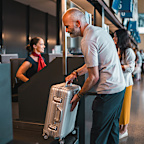
Misunderstanding baggage rules
"To avoid unexpected fees or delays, check baggage rules before booking your flight and compare airlines," Cody says.
Sometimes, pricier tickets offer better baggage options.
After booking, weigh your bags, update address tags and review the latest airline policies to ensure a smooth experience.
READ MORE: The 22 travel destinations Australian travellers are being warned to avoid in 2025

Make sure to double check flight boarding times. iStock
Underestimating flight boarding times
Missing a flight can ruin your travel plans. Arrive at the airport at least two hours early for domestic flights if you have checked baggage, and three for international.
"This gives you ample time for check-in, security, and finding your gate," Cody says.
To reduce stress further, consider checking in online beforehand if your airline allows it.
READ MORE: This is the best suitcase colour to have, according to travellers
Misunderstanding flight cancellation policy
"Sometimes, things happen beyond your control, leading to a flight cancellation either by you or the airline," Cody says.
"This can be incredibly stressful, so it's important to understand the airline's cancellation policies ahead of time to know what you're entitled to, whether it's a refund, accommodation, or a rescheduled flight."
It's also a good idea to contact your airline and other bookings like hotels, as soon as possible to clarify your options. Of course travel insurance is also vital.