Dirtiest places on a plane you probably never considered

After bedbugs were discovered on a Qantas plane, worries about how clean aircraft really are have emerged.
And according to a cleaning expert the dirtiest parts of a plane may be spots you have never considered.

According to a cleaning expert the dirtiest parts of a plane may be spots you have never considered. iStock
While the tray table is widely known to be filthy, two other spots were flagged by Prabin Shrestha, Group CEO of SKG Services, which provides cleaning, maintenance and security services.
“The toilet and bathroom touchpoints, particularly sink taps and door handles,” Prabin told nine.com.au are among the dirtiest places.
He said germaphobes should be wary of other spots too, especially as they may not be very well cleaned.
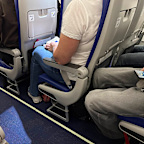
“Seatbelt buckles, armrests, entertainment screens and seat-back pockets are also frequently touched but may not always receive the same level of attention during a quick turnaround,” he said.

Arm rests, tray tables and seat pockets are havens for dirt. Getty

“Cleaning teams are usually focused on removing rubbish, vacuuming, wiping down visible surfaces, refreshing the cabin, and attending to the toilets.”
He said deep cleans of planes are less common.
“A more thorough clean, including detailed cleaning of seats, carpets and less accessible areas, is generally undertaken during longer ground stops or scheduled maintenance,” he said.
“A cabin can look clean without every surface having been properly disinfected.”
If you’re worried, Prabin advises using wipes to clean those spots before you use them.

Plane bathroom doors can be havens for germs. iStock
Also carry some hand sanitiser to clean your hands.
Don’t put anything directly on the tray table or in the seat pocket, wear shoes when getting up and wear clothes that cover your body rather than shorts of a skirt.
“Practise sensible personal hygiene,” he said.
“You don’t need to disinfect everything you come into contact with, but being mindful of high-touch surfaces and maintaining good hand hygiene can make a difference.”

As for bedbugs, he said they’re relatively uncommon on planes so not to worry too much.
But they’re hard to get rid of and need specialist fumigation.
“Once they enter an aircraft, they can hide in seat seams, upholstery and small crevices, making them difficult to identify and eliminate,” he said.
“Passengers should not be alarmed, but if they notice insects or suspicious marks around their seat, they should notify cabin crew immediately.”