Brutal reality facing sports as Saudi rivers of gold run dry

Over the past decade, global sports have been inextricably tied to Saudi Arabian wealth.
From the fairways of professional golf to the paddocks of Formula 1 and the pitches of international football, it has been nearly impossible to sever the tether to the oil-rich kingdom.

WTA was one of the first sports off the block. Matthew Stockman
But the tap is suddenly being turned off, prompting a massive question: why has Saudi Arabia decided to scale back its aggressive pursuit of global cultural influence?
The postponement of the Six Kings Slam, which was meant to host star-studded tennis cast of Carlos Alcaraz and Aussie Alex de Minaur, due to strikes in Riyadh showed the unpredictable nature of the conflict that has been tearing at the Middle East since the US joined forces with Israel to attack Iran in February.
But the sports world is already adapting to the deeper shockwaves.
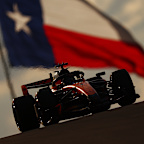
Formula 1’s recent announcement that it will race in Rwanda by early 2030 is a clear sign that governing bodies are scrambling to secure new growth areas.
With the Jeddah and Abu Dhabi grands prix slated for cancellation at the end of the season, F1 has quickly pivoted, grasping at deals to replace the lost capital with backing from emerging markets eager to clean up their own global image.
As the Saudi money halts, Africa enters the frame.
While it is difficult to frame Saudi Arabia’s pivot around financial strain when dealing with a sovereign wealth fund managing over $1.5 trillion AUD, the reality is that the Public Investment Fund’s (PIF) sports ventures have been bleeding money.

Initially, the kingdom’s appetite for seemingly frivolous spending stemmed from a desire to use sports as a vehicle for cultural, political and social leverage.
That strategy culminated in 2024 with a major vindication in winning the uncontested bid for the 2034 FIFA World Cup, securing the nation’s first opportunity to host a flagship global tournament.
Having achieved that milestone, spending billions on projects like LIV Golf and grossly overpaying superstars for the domestic soccer league could no longer be justified.
Facing shifting economic realities, the PIF is restructuring its sports holdings, demanding they operate as viable investments that generate actual returns rather than acting solely as loss-leading cultural campaigns.

The Dakar Rally could be postponed. Christophe Ena
Instead of serving as an endless well of capital, the fund now strives to be a marker of broader domestic economic growth.
This strategic pivot is unfolding against a volatile geopolitical backdrop.
A spiralling conflict between the United States and Iran, which ignited in late February, has seen gulf nations absorb the brunt of regional attacks from the Islamic Republic.
Consequently, Saudi Arabia’s national strategy has dramatically shifted away from global cultural identity, redirecting its focus toward national defence and regional mobilisation.
They’re also preparing the domestic infrastructure required for their World Cup.

LIV Golf has left a number of Aussies in the weeds. Francois Nel
The ripple effects of this escalation are already threatening future events.
Organisers of the 2027 Dakar Rally are reportedly developing contingency plans, with the historic race potentially moving to Morocco as an emergency alternative to its planned Saudi Arabian route.
As the conflict escalates, the rivers of gold poured into sports by Saudi Arabia are giving way to a stark new reality of restraint and regional survival.