Australia’s highest paying roles that don’t require a university degree
As end-of-year exams approach nationwide, many parents and students are questioning their next steps – and whether a university degree is needed or worth the investment.
New data from Seek reveals some of Australia’s highest-paying jobs don’t require a university degree at all. Instead, hands-on trade, technical and vocational pathways are serving up six-figure salaries.
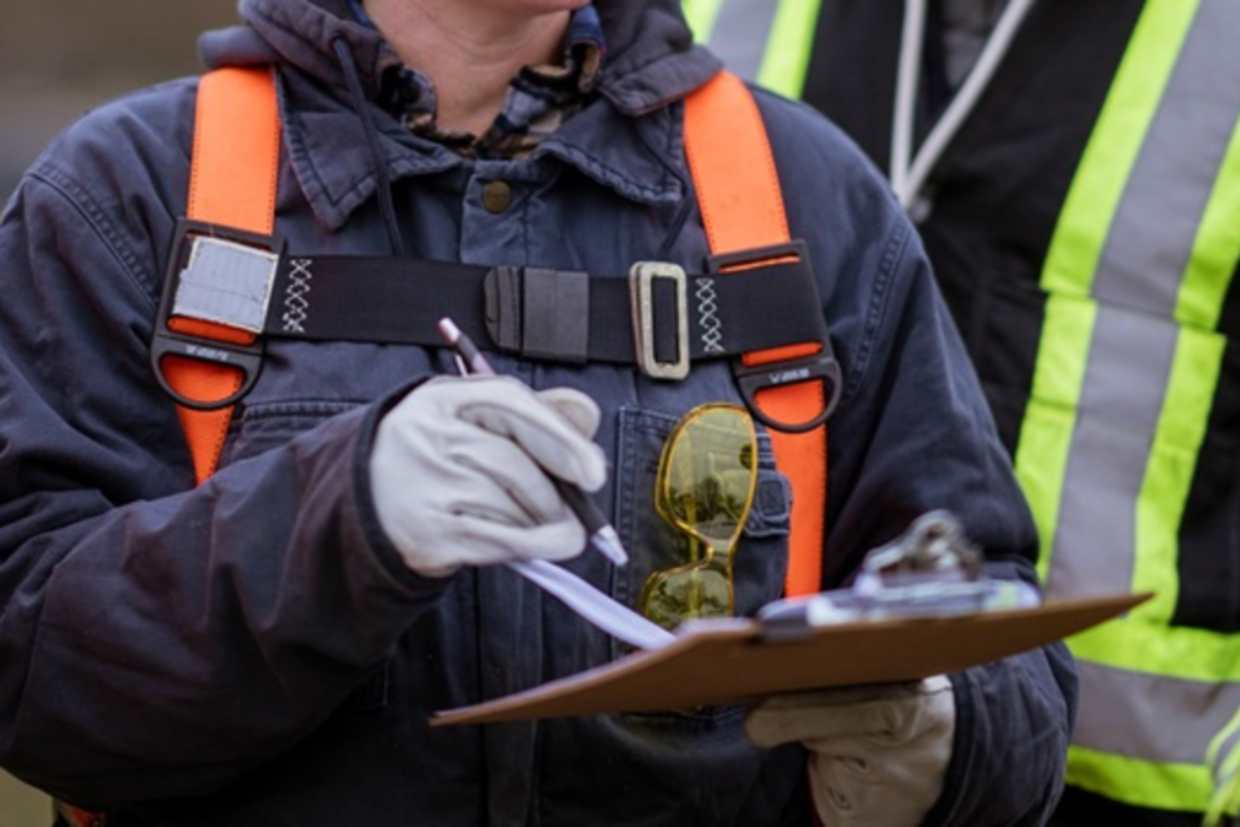
Some of Australia’s highest-paying, most AI-proof careers don’t require a university degree at all. Getty
Australia’s highest paying jobs that don’t require a university degree
- Heavy Diesel Fitter Mining in Resources & Energy: $167,210
- Automotive Electrician Mining in Resources & Energy: $163,611
- Site Manager in Construction: $162,759
- Facilities Manager in Healthcare & Medical: $151,099
- Foreperson in Construction: $143,807
- Maintenance Manager in Engineering: $139,668
- Payroll Manager in Accounting: $138,439
- Electrician Mining in Resources & Energy: $137,966
- Licenced Aircraft Maintenance Engineer in Engineering: $134,305
- Marketing Manager in Marketing & Communications: $115,973
Why these jobs pay so well
Seek reports these top-tier salaries reflect the time, skill and practical capability required to do the job, with many workers launching their career with a four-year full-time apprenticeship, meaning they’re earning a wage from day one rather than accumulating student debt.

Location, specialisation and industry demand are the key drivers behind these paychecks, with salaries reported to be higher if the jobs are based in regional or remote areas, particularly in mining.
“Seek’s data shows that vocational pathways can lead to very strong earnings. For Australians who prefer hands-on work or want to earn while they learn, these pathways can provide a route into six-figure careers, particularly in technical, trade and operational roles,” Seek’s Chief Economist, Dr Blair Chapman, said.
“Many of the highest-paying roles that don’t require a university degree still require substantial training, licences or on-the-job experience.
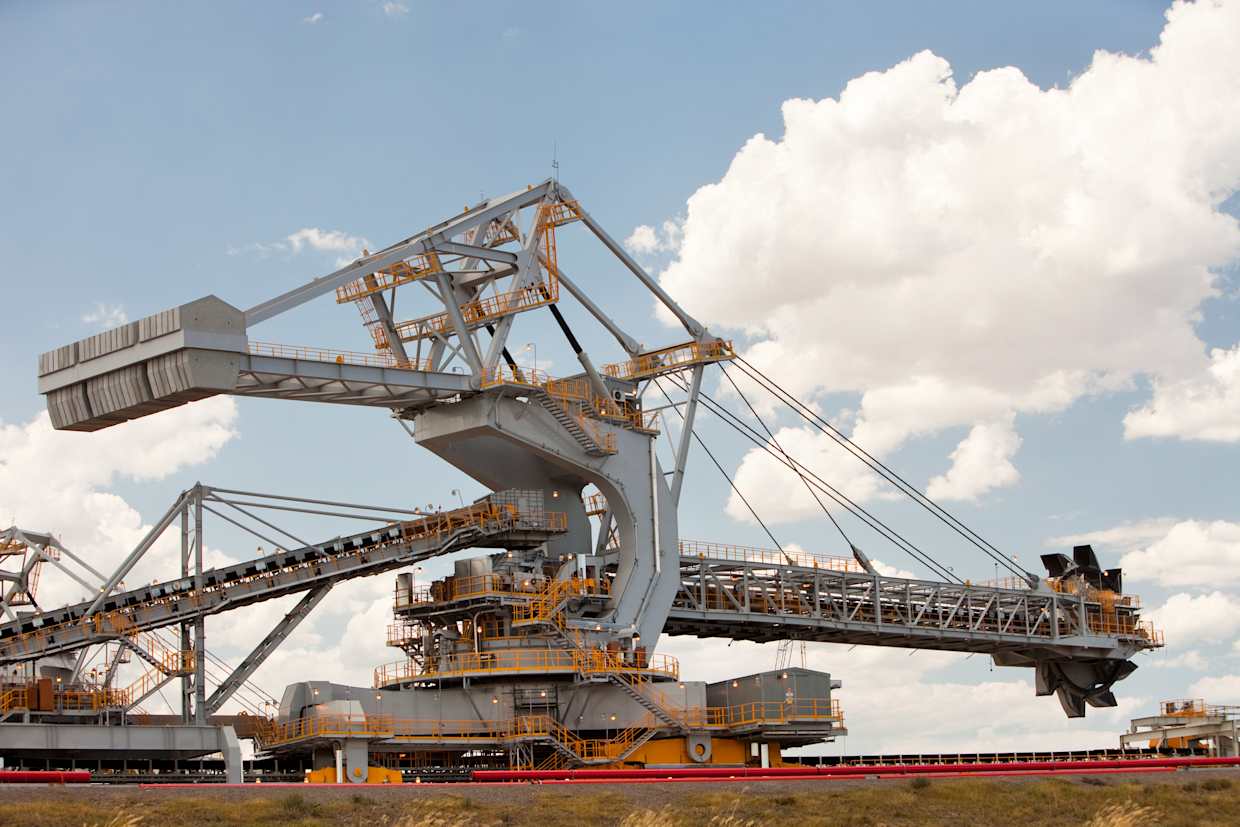
University isn’t needed for any of these lucrative professions. Hulton Archive/DCX
“So, these are not low-skilled jobs, but roles where capability is built through formal training and practical experience rather than a university degree.”
The specialised nature of these roles is another reason they attract high pay.
“In trade and technical occupations, the more specialised the skill set, the harder it can be to recruit,” Dr Chapman explained.

These jobs often come with apprenticeships which means earning money from the get-go. Getty
“The mining, resources and energy industries are a major driver of higher salaries in these roles because they rely heavily on skills that take time to develop and many of the jobs are based in regional or remote areas.”

And despite recent turmoil that has seen some construction firms go under, the need for more housing and commercial property deals means an ongoing demand for skilled workers.
“Construction demand is also contributing to stronger salaries, especially in roles that combine trade expertise with leadership and delivery responsibility,” Dr Chapman said.
“Ongoing infrastructure work and housing demand are increasing the need for experienced site managers and forepersons who can keep projects on schedule, manage subcontractors and maintain safety standards.”