Credit card surcharges scrapped, but customers will pay in other ways

Updated . First published
Credit and debit card surcharges are now banned across Australia, meaning whether you are paying a plumber or shopping online, businesses can’t pass on a fee.
Extra fees for payments were abolished on Thursday, October 1 after a decision by the Reserve Bank of Australia (RBA), in a move it estimates will save consumers about $1.6 billion every year.
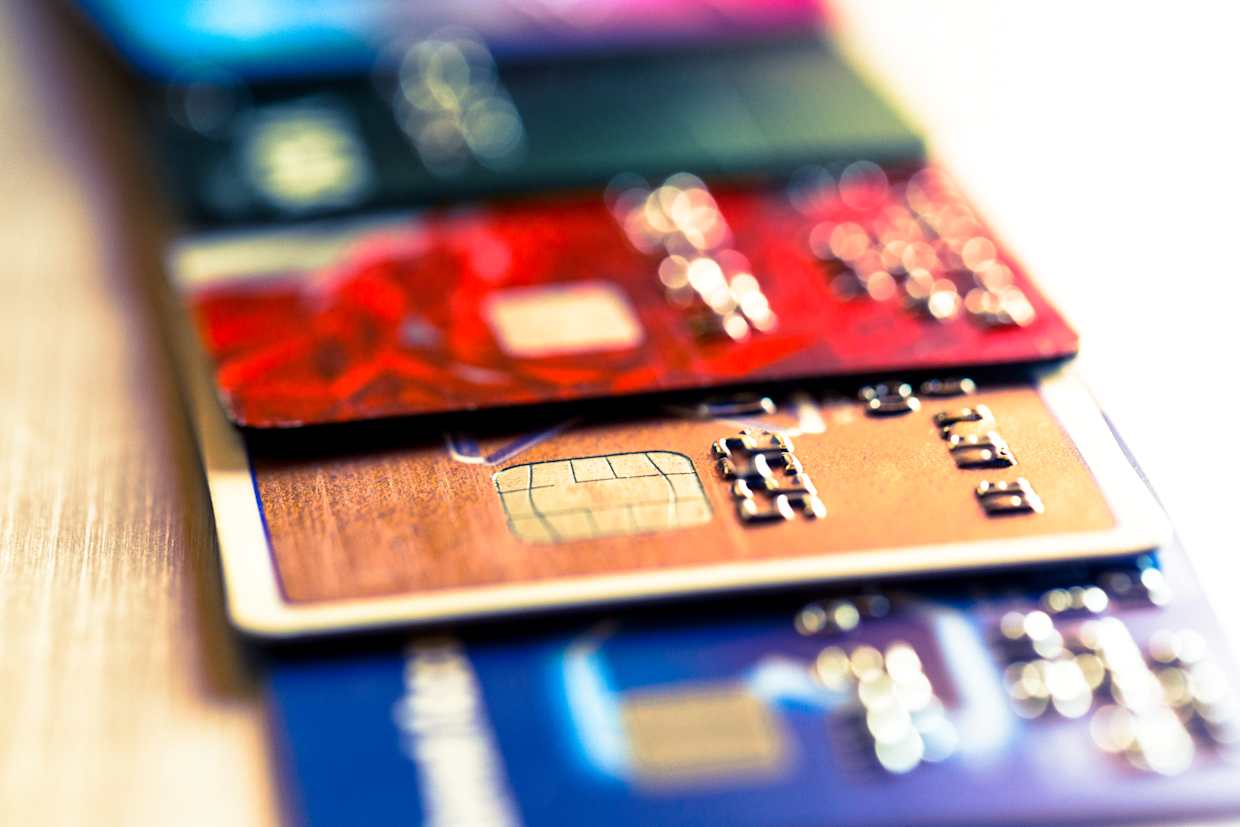
Surcharges on credit and debit cards were scrapped on Thursday, October 1. Getty Images/iStockphoto
The Australian Banking Association (ABA) says the reforms will deliver more pricing certainty for consumers, with businesses will no longer be permitted to add a surcharge when customers pay with eftpos, Visa or Mastercard.
ABA chief executive Simon Birmingham said the changes removed a common bugbear for consumers, who would no longer face an extra fee just for choosing to pay by card.
“The price on the shelf or on the menu will be the price you pay at the checkout. That goes for paying a bill or shopping online, too.”

But some financial experts are warning consumers will pay in other ways to cover the cost of running card programs.
Scrutiny of RBA data shows Australians made $475 billion in credit card purchases and $696 billion in debit card transactions during the 12 months to June 2026.
Analysis by comparison site Finder carried out in September tracked consumer sentiment about financial institutions recovering money by raising interest rates or card fees and cutting customer loyalty programs.

Aussie consumers will pay in other ways for the cost of running credit card programs, say experts. Kate Geraghty
Banks will take a hit of about $600 million per year under the surcharge ban.
This will include lower interchange fees, which are paid by businesses to banks.
If their card provider responded to the ban by increasing annual fees, 30 per cent of responders in the Finder survey say they’d respond by cancelling their credit card.
Winners and losers
The surcharge ban is good news for some and bad for others, Finder personal finance specialist Taylor Blackburn said in the lead-up to the ban.
“Someone still has to cover the cost of running card payments, and that’s now most likely going to be frequent flyer and rewards credit card holders,” he said.
Many credit and debit cards are likely to become more expensive and less rewarding as banks claw back money by offering less perks for card holders along with higher annual fees and less earning rates.
“We’re already seeing it happen. Some cards have slashed sign-up bonus points by almost half, while others have introduced annual fees on cards that used to be free, or hiked existing fees,” said Blackburn.
He advises card holders to check whether their points system is still competitive.
“A card that was a great deal 12 months ago might now come with a higher fee, or a much lower earn rate, for the same spending.”
According to the ACCC, it is likely that businesses will absorb the costs and pass them on indirectly via product or service pricing.
“Businesses will still incur costs when accepting card payments after surcharging is removed,” the watchdog advises.
“However, these costs will need to be reflected in a business’s overall pricing for the products or services it sells, rather than charged as a separate surcharge.
“Businesses should review and update their pricing and how they display and communicate their prices to customers to make sure they accurately reflect the total price payable.”
Businesses will not be allowed to mislead customers about the reasons for price increases.
How would it work in real-world terms?
This scenario from the ACCC is the perfect example:
A hair salon charges $60 for a haircut and currently applies a 1.0 per cent credit card surcharge.
From 1 October 2026, the hair salon can no longer apply a credit card surcharge. The salon decides to incorporate its card processing costs into its overall prices. This would mean the price of the haircut would be $60.60.
However, the salon also reviews its other costs and decides to increase the price of a haircut to $65, because energy and labour costs have also increased.
In this situation, the hair salon must not tell consumers that the price increase is due to the changes to card payment surcharging.
This will be misleading because the price increase also reflects other business costs, not just the cost of accepting card payments.

Businesses need to be transparent about price increases. Getty Images/iStockphoto
How banks responded
In recent weeks, the major banks announced how they will recover money leading up to the surcharge ban.
St George has announced it is lifting the interest rate on its Amplify Qantas Platinum credit card from 20.99 per cent to 23.99 per cent, while its annual fee will increase from $75 to $125.
The bank has also dropped the interest-free period on purchases by 10 days.
Westpac, meanwhile, will be lifting the interest rates on some of its credit cards and will also be increasing annual fees.
NAB credit card interest rates will be hiked by 1.5 per cent too.
Commonwealth Bank has responded by announcing major changes to its Commbank Awards program, which allowed credit card users to earn points, with a revamped CommBank Yello loyalty and points scheme.
The information provided on this website is general in nature only and does not constitute personal financial advice. The information has been prepared without taking into account your personal objectives, financial situation or needs. Before acting on any information on this website you should consider the appropriateness of the information having regard to your objectives, financial situation and needs.

Share a tip-off, video or photo with us
Most viewed in Australia
Teen girl fighting for life after ‘horrific’ drive-by shooting possibly ‘innocent bystander’
‘Giant hail and destructive wind gusts’: Powerful storms set to continue across multiple states
Couple shocked after opening door to dream rental property
Melbourne and Sydney in the firing line as storms hit multiple states